Exploring the Charm of Comic and Cartoon-Inspired Fonts in Gaming and Design
In today’s fast-paced digital world, visual appeal plays a crucial role in capturing attention. One design element that has gained immense popularity is typography—especially fonts inspired by comics and cartoons. These fonts are not just decorative; they carry a unique energy and character that can transform any project into something more engaging and memorable. In this article, we’ll dive into how gaming and design have embraced comic and cartoon-inspired fonts, explore their uses across various industries, and discover why their boyish charm makes them a go-to choice for creative professionals.
What Makes Comic and Cartoon Fonts Special?
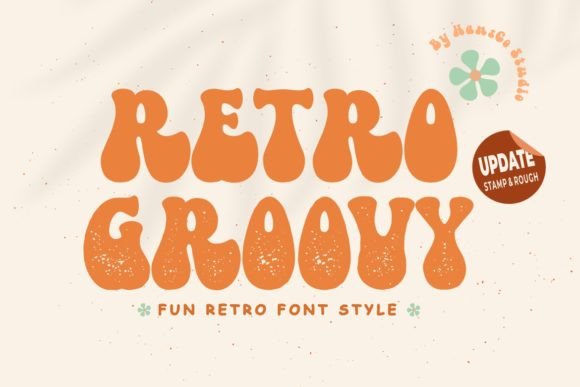
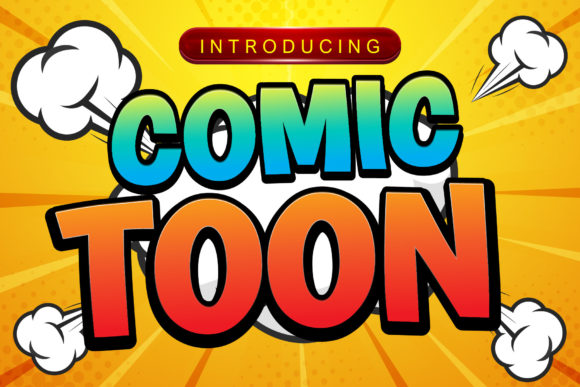
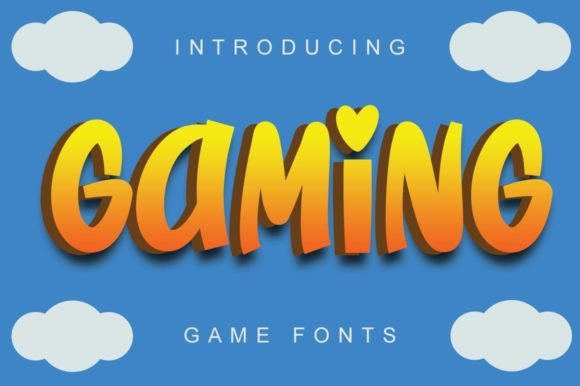
Comic and cartoon fonts are typically characterized by their bold, exaggerated shapes, playful strokes, and vibrant personalities. They often mimic the lettering found in classic comic books or animated shows, giving them an instantly recognizable style. This natural bold style font adds flair to any text, making it stand out without being overwhelming.
Their cute and friendly typography is designed to evoke emotion, especially joy and nostalgia. These fonts often include rounded edges, whimsical ligatures, and sometimes even small illustrations or symbols within the letters. The result is a typeface that feels alive and expressive—perfect for content aimed at younger audiences or those wanting to add a sense of fun to their work.
A Playful Attitude That Resonates
One of the key reasons these fonts are so popular is their playful attitude. Whether you're creating a logo for a children's toy company or designing promotional material for a video game, using a font with a lighthearted feel can help establish a connection with your audience. It communicates approachability and excitement, which are essential in marketing and branding efforts.
For example, many online games use comic-style fonts to make their titles more inviting. Think of well-known franchises like “Mario Kart” or “Sonic the Hedgehog”—their logos and menus often feature fonts that echo the bold, colorful aesthetic of traditional cartoons. This helps reinforce the brand’s identity while also appealing to players’ senses of fun and adventure.
Uses Across Industries
The versatility of comic and cartoon fonts means they’re used in a wide range of applications beyond just gaming. From educational materials to business branding, these fonts bring a fresh and dynamic perspective to any project.
Marketing Imaginary Children’s Books
When it comes to promoting imaginary children’s books, nothing speaks louder than the right font. A super fun and cute feel can immediately capture a child’s imagination and spark interest in the story. Publishers and authors often use these fonts on book covers, promotional flyers, and website banners to create an inviting and magical atmosphere.
Imagine a book titled “The Adventures of Bumblebee Billy.” Using a cartoony font with bouncy letterforms would instantly convey the playful nature of the story. It helps set the tone and gives potential readers (and parents) a sense of what to expect before even opening the first page.
Online Games and Website Designs
Many online games leverage the boyish charm of these fonts to enhance user experience. Titles, buttons, and in-game messages often use cartoon-style fonts to keep the interface visually consistent with the game’s theme. This creates a cohesive look that feels immersive and enjoyable.
Additionally, websites targeting families or young audiences often incorporate these fonts to maintain a cheerful and welcoming vibe. For instance, a site offering educational games for kids might use a cute font to encourage engagement and make learning feel less formal and more like playtime.
Stationery and School Supplies
Comic and cartoon fonts aren’t limited to digital spaces. They’re frequently used in physical products such as stationery and school supplies. Think about notebooks labeled “Super Notes,” pencil cases with playful slogans, or custom planners for students. These designs make everyday items more exciting and personal, encouraging users to express their creativity through their tools.
Using a natural bold style font for product labels can make a significant difference in how items are perceived. A bright and bold font on a lunchbox can turn a simple container into a favorite among kids and teens alike.
Why Choose Cute and Friendly Typography?
Cute and friendly typography isn’t just about aesthetics—it’s about communication. Fonts influence how we perceive information and interact with brands. Choosing the right one can mean the difference between a design that blends in and one that stands out.
Creating Emotional Connections
Typography is a powerful tool for storytelling. When used effectively, it can evoke specific emotions and set the tone for a message. Cartoon fonts, in particular, are great for creating a sense of warmth and familiarity. They remind us of childhood, imagination, and joy—feelings that many businesses aim to associate with their products or services.
Consider a YouTube channel dedicated to DIY crafts for kids. By using a cartoon font in its thumbnails and covers, the creator instantly signals to viewers that the content is safe, fun, and family-friendly. This kind of visual cue is invaluable when competing for attention in a crowded space like YouTube.
Standing Out in a Competitive Market
In marketing and branding, standing out is essential. With so much content available online, businesses need to find ways to differentiate themselves. A unique and playful font can be a key part of that strategy. It helps build brand recognition and makes your content more shareable, especially on social media platforms where visuals dominate.
- YouTube Covers: Cartoon fonts are commonly used in YouTube banners and covers to create a lively and eye-catching presence.
- Posters and Movie Titles: They’re ideal for movie posters, especially for animated films or superhero movies, where the font needs to match the tone of the story.
- Social Media Page Covers: Brands looking to engage younger demographics often choose these fonts to reflect their personality.
Practical Applications for Everyday Use
Beyond large-scale branding, comic and cartoon fonts are incredibly useful in casual design projects. Their super fun and cute feel makes them perfect for packaging, invitations, quotes, and more. Here are some common uses:
- Poster Titles: Whether advertising a school event or a local fair, a cartoon font can make the title more engaging and inviting.
- Magazine Titles: For youth-oriented publications or themed issues, these fonts can give the cover a distinctive and appealing look.
- T-Shirt Printing: Custom t-shirts with humorous or imaginative phrases benefit from the bold and expressive nature of cartoon fonts.
- Labels and Brand Designs: Small businesses selling toys, snacks, or novelty items often use these fonts to attract attention and create a sense of fun.
- Websites and Business Cards: Even professional settings can benefit from a touch of playfulness. A start-up focused on edutainment might use a cartoon font to show its innovative and approachable side.
How to Incorporate These Fonts Effectively
While comic and cartoon fonts are versatile, they require careful application to avoid overuse or visual clutter. Here are some tips to ensure your design remains both stylish and readable:
Balance Is Key
These fonts work best when used in moderation. Pairing them with more neutral fonts can help balance the overall design. For instance, a poster using a bold cartoon font for the title could pair it with a clean sans-serif font for body text to maintain readability.
Use Them in the Right Context
Not every project calls for a cartoon font. While they’re excellent for playful themes, they may not suit more serious or professional contexts. However, in areas like education, entertainment, or lifestyle products, they can be incredibly effective.
Experiment with Color and Size
Cartoon fonts are inherently vibrant, but experimenting with color and size can further enhance their impact. Bright colors can make the text pop, while varying sizes can add visual hierarchy and draw attention to key elements like headlines or call-to-action buttons.
Common Misconceptions About Cartoon Fonts
Despite their popularity, there are some misconceptions about cartoon fonts that deserve clarification:
- They’re Only for Kids: While these fonts are often associated with children’s content, they can also appeal to adults who enjoy nostalgic or whimsical styles. Many retro-themed cafes and vintage stores use cartoon fonts to attract a broad audience.
- They Lack Professionalism: When used appropriately, cartoon fonts can add a creative edge to professional branding. Think of tech startups or app developers aiming to position themselves as innovative and user-friendly. A well-chosen cartoon font can communicate that perfectly.
- They’re Hard to Read: Some people believe that playful fonts sacrifice readability. However, modern versions of these fonts are designed with legibility in mind, especially for digital use. Always test your chosen font in different formats and sizes to ensure it works well for your target audience.
Choosing the Right Font for Your Project
Selecting the right cartoon or comic font depends on the purpose and context of your project. Here are some considerations to guide your choice:
- Project Theme: Does your content align with a fun, adventurous, or youthful tone? If yes, a cartoon font could be a great fit.
- Target Audience: Are you designing for children, teenagers, or adults who appreciate nostalgic designs? Each demographic may respond differently to the same font.
- Readability: Ensure the font is easy to read at the intended size and distance. Avoid overly stylized fonts if clarity is critical.
- Brand Identity: Consider how the font reflects your brand values. A natural bold style font can suggest confidence and energy, while a softer, rounder version might imply friendliness and approachability.
Some popular examples of cartoon-style fonts include “Comic Sans MS,” “Fredoka One,” “Niconne,” and “Kranky.” While “Comic Sans” is often debated, newer alternatives offer similar charm without the drawbacks. Websites like Google Fonts, Adobe Fonts, and DaFont provide a variety of options suitable for different purposes.
Conclusion: Embrace the Fun in Design
Comic and cartoon-inspired fonts are more than just a trend—they’re a design philosophy that brings joy, creativity, and personality to any project. Whether you’re working on a children’s book cover, a YouTube thumbnail, or a social media post, these fonts can elevate your work and connect with your audience on a deeper level.
By understanding the purpose and significance of these fonts, you can harness their power to create designs that are both functional and fun. So next time you're brainstorming for a new project, consider letting your text take center stage with a font that radiates charm, playfulness, and a touch of magic.