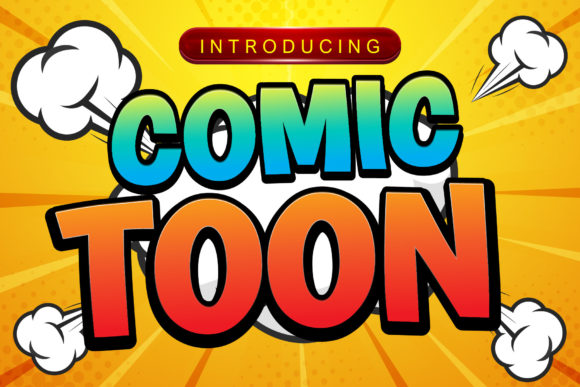
Comic Toon: A Bold Addition to Modern Design Projects
In the fast-paced world of graphic design, choosing the right font can make all the difference between a forgettable visual and one that captures attention instantly. Comic Toon stands out as a dynamic display font that blends fun with flair, offering a fresh way to elevate your creative projects. Whether you're designing for branding, marketing, or editorial use, this typeface brings a unique personality that can help communicate energy, creativity, and playfulness.
Why Comic Toon Works in Visual Communication
Comic Toon is more than just a whimsical font—it’s a powerful tool for visual storytelling. Its exaggerated characters and expressive strokes create an immediate sense of drama and emotion, making it ideal for headlines, promotional banners, and title treatments. In environments where visual hierarchy is key, such as web design or social media graphics, Comic Toon can draw the eye and guide users toward important content without overwhelming the rest of the layout.
The font's playful nature aligns well with brands targeting younger audiences or those wanting to inject some levity into their messaging. However, its boldness also makes it suitable for high-impact advertising campaigns and event posters, where standing out from the crowd is essential. When used thoughtfully, Comic Toon supports clear communication while adding a memorable visual punch.
Applications Across Creative Industries
- Branding & Logo Design: Incorporate Comic Toon into logos or brand assets that aim to convey a lighthearted yet confident identity. It pairs well with minimalist layouts to balance its bold character.
- Marketing Materials: Use it on flyers, brochures, or email headers to highlight special offers or calls to action. The font helps establish urgency and excitement.
- Social Media Graphics: With platforms like Instagram and Facebook favoring engaging visuals, Comic Toon can enhance posts by creating a strong focal point.
- Editorial Design: Ideal for comic-style magazines, zines, or themed publications. It adds a sense of humor and spontaneity to editorial layouts.
- Packaging Design: For products aimed at children or casual consumers, Comic Toon can give packaging a vibrant, eye-catching edge.
Best Practices for Using Comic Toon
To get the most out of Comic Toon, consider how it fits into your overall design strategy. While it shines as a headline font, it’s not recommended for body text due to its stylized letterforms. Instead, pair it with a clean, legible sans-serif or serif font to maintain readability across different elements of your design.
Here are some tips for integrating Comic Toon effectively:
- Use it sparingly to avoid visual clutter—save it for titles or key phrases.
- Balance its boldness with complementary design elements like whitespace, color contrast, or subtle illustrations.
- Ensure scalability; test how it looks both large and small, especially if it will appear in print or digital formats.
- Align it with your brand's tone and audience expectations. If your brand is youthful and energetic, it could be a perfect fit.
Typography and Color Pairings
Comic Toon works best when paired with vibrant colors or high-contrast combinations. Bright reds, electric blues, or neon greens can amplify its lively feel, while darker backgrounds or gradients add depth and dimension. When using this font in UI or UX design, always ensure it doesn’t interfere with usability. Consider applying it only to decorative headings rather than interactive elements like buttons or menus.
For a professional presentation, layer Comic Toon with carefully curated imagery or iconography that matches its tone. This synergy enhances the overall aesthetic and ensures your message is delivered clearly and memorably.
Enhancing Brand Identity Through Typography
Fonts play a crucial role in shaping brand identity. Comic Toon can become part of a broader visual system that reflects a brand's values and voice. For instance, a toy company might use it in logo variations or taglines to reinforce its playful image. Similarly, a lifestyle brand targeting Gen Z could leverage it in digital marketing assets to build a stronger emotional connection with its audience.
When evaluating whether Comic Toon belongs in your project, ask yourself: Does it reflect the mood I want to convey? Is it consistent with my brand’s existing visual language? Will it stand up across different mediums and sizes? These questions help ensure that your typography choices are intentional and impactful.
Ultimately, the value of Comic Toon lies in its ability to blend creativity with clarity. By understanding its strengths and limitations, designers can harness its potential to craft compelling visuals that resonate with users and support effective communication.