The Playful Power of Happy Fun: A Font That Captures Imagination and Joy
In the ever-evolving world of typography, certain fonts stand out not just for their visual appeal but for the emotions they evoke. One such font is Happy Fun, a typeface that effortlessly blends whimsy, charm, and creativity. Inspired by the vibrant aesthetics of comics, games, and cartoons, Happy Fun has carved out a unique niche in the design landscape. Its boyish charm and friendly character make it a go-to choice for creators who want to infuse their work with energy and positivity.
Understanding the Essence of Happy Fun
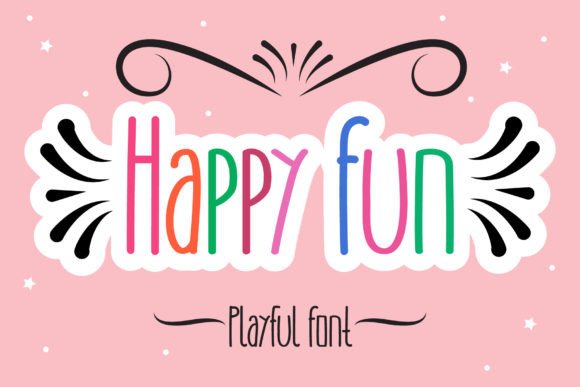
Happy Fun is more than just a font—it's a mood. Designed with a playful attitude, this typeface brings an air of fun and cuteness to any project it graces. The strokes are rounded, the letters are bouncy, and the overall feel is one of lightheartedness. It’s reminiscent of the bold, colorful lettering seen in classic comic books or the cheerful text in beloved cartoon titles. This makes it particularly effective for designs targeting younger audiences or those wanting to create a sense of joy and approachability.
Typography experts often note that a font can shape the user experience as much as color or layout. With Happy Fun, the message is clear from the start: this is something meant to be enjoyed. Whether used in children’s books, branding materials, or social media content, it invites engagement through its lively presence.
Why Happy Fun Resonates with Designers and Businesses
As consumer preferences shift toward more expressive and emotionally resonant content, fonts like Happy Fun have gained traction across industries. In today’s digital-first environment, standing out is essential. Many brands, especially in the entertainment, education, and lifestyle sectors, are leaning into typographic choices that reflect their personality and connect with their audience on a deeper level.
- Entertainment and Media: From YouTube thumbnails to movie titles, Happy Fun adds a spark of excitement that grabs attention instantly.
- Education and Learning Tools: Educators and edtech companies use this font to create engaging materials for young learners, where fun plays a vital role in retention and interest.
- Marketing and Branding: Marketers seeking to build a brand with a youthful, energetic vibe often turn to Happy Fun for logos, posters, and promotional materials.
- Creative Industries: Game developers, graphic designers, and illustrators appreciate its versatility for both digital and print projects.
A Growing Demand for Expressive Typography
Modern consumers—especially Gen Z and Millennials—crave authenticity and emotion in the content they consume. Traditional, formal fonts no longer suffice for every project. Instead, there's a rising demand for fonts that mirror the tone and intent of the message being delivered. Happy Fun fits perfectly into this trend, offering a fresh and dynamic alternative to standard sans-serif or serif styles.
This font also aligns with the broader movement toward inclusive and accessible design. Its clean, rounded edges and high readability make it suitable for a wide range of applications, including educational materials and websites aimed at diverse age groups. As accessibility becomes a priority, fonts that balance style with usability are increasingly valuable.
Practical Uses of Happy Fun in Creative Projects
Designers love Happy Fun for its adaptability. Here are some real-world examples of how it’s being used effectively:
- Children’s Books: Authors and publishers choose Happy Fun to craft imaginary worlds filled with wonder and whimsy. Its playful nature supports storytelling and helps engage young readers.
- Game UI Elements: Online game developers integrate this font into menus, buttons, and title screens to enhance the immersive experience and match the game’s tone.
- Stationery and School Supplies: Brands selling notebooks, pens, and backpacks often feature Happy Fun on packaging and labels to appeal to kids and nostalgic adults alike.
- Social Media Covers and Thumbnails: Marketers and influencers use Happy Fun to create eye-catching visuals that stand out in crowded feeds and video libraries.
- T-Shirt Printing and Merchandise: The font’s bold and charming characteristics make it ideal for casual wear and branded merchandise, adding personality without overpowering the design.
One of the most exciting aspects of Happy Fun is its ability to transform even the simplest designs. For example, using it in a flyer for a community event can make the entire piece feel more inviting and joyful. Similarly, when applied to website headers or app interfaces, it can significantly improve the user experience by creating a warm and engaging first impression.
Happy Fun in the Context of Digital Creativity
With the rise of digital platforms and the increasing importance of visual storytelling, typography has become a core component of creative expression. Fonts like Happy Fun are not only tools—they're statements. They allow creators to communicate moods and themes quickly and effectively without relying solely on imagery.
Consider how Happy Fun enhances YouTube covers. These thumbnails must capture attention within seconds, and a well-chosen font can mean the difference between a scroll past and a click. The same logic applies to Instagram banners or TikTok titles, where visual impact is key. By incorporating Happy Fun, creators ensure their content feels lively and memorable.
Embracing the Trend: Why Happy Fun Is Relevant Now
Several evolving trends contribute to the growing popularity of Happy Fun. First, there's the continued influence of pop culture on design. Comics, animation, and gaming are no longer niche interests; they’re mainstream cultural forces. As a result, their visual language—including typography—is being adopted more widely.
Second, businesses are recognizing the value of emotional branding. Consumers don’t just buy products—they buy experiences and values. Happy Fun helps brands convey a positive, uplifting message that resonates with audiences looking for joy and inspiration in their daily interactions.
Lastly, there's the rise of remote work and digital collaboration. As more professionals operate online, the need for visually appealing and emotionally intelligent design has increased. Happy Fun allows teams to maintain a cohesive aesthetic while still expressing creativity and individuality.
Observations on Changing Workflows and Expectations
Freelancers and entrepreneurs are also adopting Happy Fun because it streamlines the design process. Rather than spending hours searching for the right font, they can rely on Happy Fun to deliver consistent results. Its compatibility with various design software and platforms means it can be easily integrated into workflows, saving time and enhancing productivity.
Moreover, clients are becoming more aware of the impact of typography on their brand identity. When presented with options like Happy Fun, many opt for it due to its ability to communicate warmth and playfulness. This shift reflects a broader understanding of how design elements contribute to brand perception and customer engagement.
Looking Ahead: The Future of Happy Fun
As we move further into a digital-first world, the relevance of expressive typography will only grow. Fonts like Happy Fun are positioned to lead this charge, especially as more industries seek to humanize their digital presence. From e-commerce product listings to mobile app interfaces, the need for fonts that feel personal and engaging is evident.
Additionally, the global expansion of online gaming and entertainment creates new opportunities for Happy Fun. Developers aiming to localize their content for different regions may find that this font adapts well to various languages and cultures, maintaining its charm regardless of the script.
For educators and content creators, Happy Fun could become a staple in interactive learning environments. As virtual classrooms and educational apps continue to evolve, the right typography can help bridge the gap between information and enjoyment, making learning feel less like a chore and more like an adventure.
How to Incorporate Happy Fun Into Your Workflow
If you’re considering using Happy Fun in your next project, here are a few practical tips:
- Pair it with Complementary Styles: While Happy Fun is bold and playful, balance is important. Use it for headlines and pair it with a simpler body font to maintain readability.
- Test Across Platforms: Ensure the font looks great on both desktop and mobile devices. Sometimes subtle adjustments are needed to optimize legibility.
- Use Color Strategically: Because of its cartoony appearance, Happy Fun works well with bright and contrasting colors. Don’t be afraid to experiment with gradients or outlines for added flair.
- Stay Consistent: Apply the font consistently across all touchpoints to reinforce your brand identity and create a cohesive visual language.
Conclusion
Happy Fun is more than just a trendy font—it’s a versatile tool that meets the needs of modern creators, marketers, and entrepreneurs. Its roots in comics, games, and cartoons give it a timeless yet contemporary appeal, making it suitable for a wide array of applications. As the digital landscape continues to evolve, so too does the demand for fonts that can convey emotion, intention, and personality with ease.
Whether you’re designing a poster for a summer festival, crafting a logo for a new startup, or creating content for a YouTube channel, Happy Fun offers a way to bring joy and imagination to your work. In a world where visual communication is king, this font proves that sometimes the simplest stroke of creativity can leave the biggest impact.