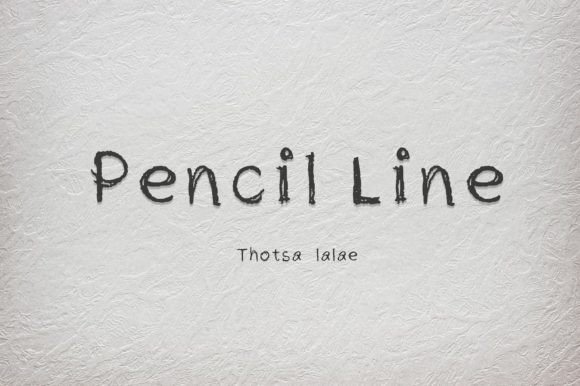
Pencil Line: A Whimsical Display Font for Creative Projects
Pencil Line is a hand-drawn, display font that captures the essence of natural and spontaneous writing. Its character set mimics the look of pencil strokes, making it appear casual yet expressive. Designed to bring a sense of charm and playfulness to visual compositions, Pencil Line is often used in branding, packaging, posters, and digital content where a more human touch is desired.
Why Consider Pencil Line for Your Design?
Designers and creatives are constantly on the lookout for fonts that stand out while still conveying a specific tone or mood. Pencil Line offers a unique aesthetic that can breathe life into otherwise standard layouts. The font’s organic feel makes it ideal for projects that aim to communicate warmth, creativity, or a personal connection with the audience.
Its quirky and whimsical nature also appeals to those working within niche markets such as children's books, stationery, greeting cards, and lifestyle brands that prioritize authenticity over formal typography. For users who want their designs to reflect an artistic or handmade quality, Pencil Line provides an excellent starting point.
Benefits of Using Pencil Line
- Natural and Handwritten Feel: Pencil Line emulates real pencil strokes, giving text a genuine, unpolished look that feels inviting and approachable.
- High Visual Appeal: The irregularities in stroke weight and spacing add character, making it suitable for attention-grabbing headlines and decorative elements.
- Versatility in Use: While primarily a display font, Pencil Line can be adapted for short phrases, logos, or brand names across both print and digital media.
- Emotional Resonance: The playful and expressive style of the font helps evoke emotions and connect with audiences on a more personal level.
Tradeoffs and Considerations
Despite its advantages, Pencil Line is not without limitations. As a display font, it may lack the clarity and readability required for long-form body text. The informal nature of the design could also clash with more professional or corporate environments.
Another consideration is legibility at smaller sizes. Because Pencil Line features subtle variations and soft edges, it may become harder to read when used in fine print or on small screens. This makes it best suited for larger text elements rather than detailed paragraphs.
Additionally, due to its handwritten appearance, Pencil Line might not be the most appropriate choice for projects requiring a high degree of precision or formality. Users should evaluate how well this font aligns with the overall tone and purpose of their work before committing to it as a primary typographic element.
When Pencil Line Excels
Pencil Line shines in contexts where personality and visual interest are key. It works particularly well in the following scenarios:
- Branding and Logo Design: Brands looking to establish a warm, creative, or youthful identity can benefit from using Pencil Line in their logo or tagline.
- Invitations and Stationery: Wedding invitations, birthday cards, and thank-you notes often use Pencil Line to create a personal and artistic vibe.
- Editorial and Book Covers: For book titles, especially in genres like children’s literature, cookbooks, or illustrated guides, Pencil Line adds a whimsical flair.
- Digital Marketing and Social Media: In social media posts, ads, or promotional banners, the font can help capture attention and convey a lighthearted message.
When to Look for Alternatives
While Pencil Line has many strengths, there are situations where it may not be the best fit. These include:
- Formal Documents: Legal contracts, reports, or academic papers typically require clean, structured fonts that ensure clarity and professionalism.
- Long-Form Content: If your project involves extensive reading—such as blogs, articles, or e-books—Pencil Line may hinder comprehension and user experience.
- Corporate Branding: Businesses focused on reliability, trustworthiness, or minimalism may find Pencil Line too informal or distracting.
- Accessibility Concerns: Individuals with visual impairments may struggle to read the font if it’s not optimized for contrast and size. Always test accessibility when choosing display fonts.
How to Decide if Pencil Line Fits Your Project
Choosing the right font is about understanding your audience and the message you want to deliver. Here are some practical insights to help determine whether Pencil Line is a good match for your needs:
Consider the Tone: Does your project need to feel warm, friendly, or playful? If so, Pencil Line could be a strong contender. However, if you’re aiming for authority or elegance, other typefaces might serve better.
Evaluate Readability Needs: How much text will you be using with this font? If it’s just a headline or a short phrase, Pencil Line is likely to perform well. But for longer passages, consider pairing it with a more legible font for body copy.
Think About Context: Will the font be used online or in print? Digital platforms may require higher contrast or simpler forms for optimal viewing. Print materials have more flexibility but still demand careful alignment with design goals.
Test Before Finalizing: Always test Pencil Line in different sizes, colors, and backgrounds to see how it performs in various settings. What looks great in one context might not translate well to another.
Final Thoughts
Pencil Line is a valuable tool for designers seeking to infuse personality into their work. Its natural and spontaneous qualities make it perfect for projects that thrive on creativity and emotional appeal. However, its suitability depends heavily on the specific requirements of the task at hand.
If your goal is to create something memorable, eye-catching, or emotionally engaging, Pencil Line deserves serious consideration. On the other hand, if you're designing for clarity, professionalism, or accessibility, you may want to explore alternative fonts that balance aesthetics with functionality.
Ultimately, the decision to use Pencil Line should be guided by your design intent and audience expectations. By weighing its benefits against potential tradeoffs, you can determine whether it enhances your message or detracts from it. With thoughtful application, Pencil Line can become a standout feature in your creative toolkit.